
Why Trieste
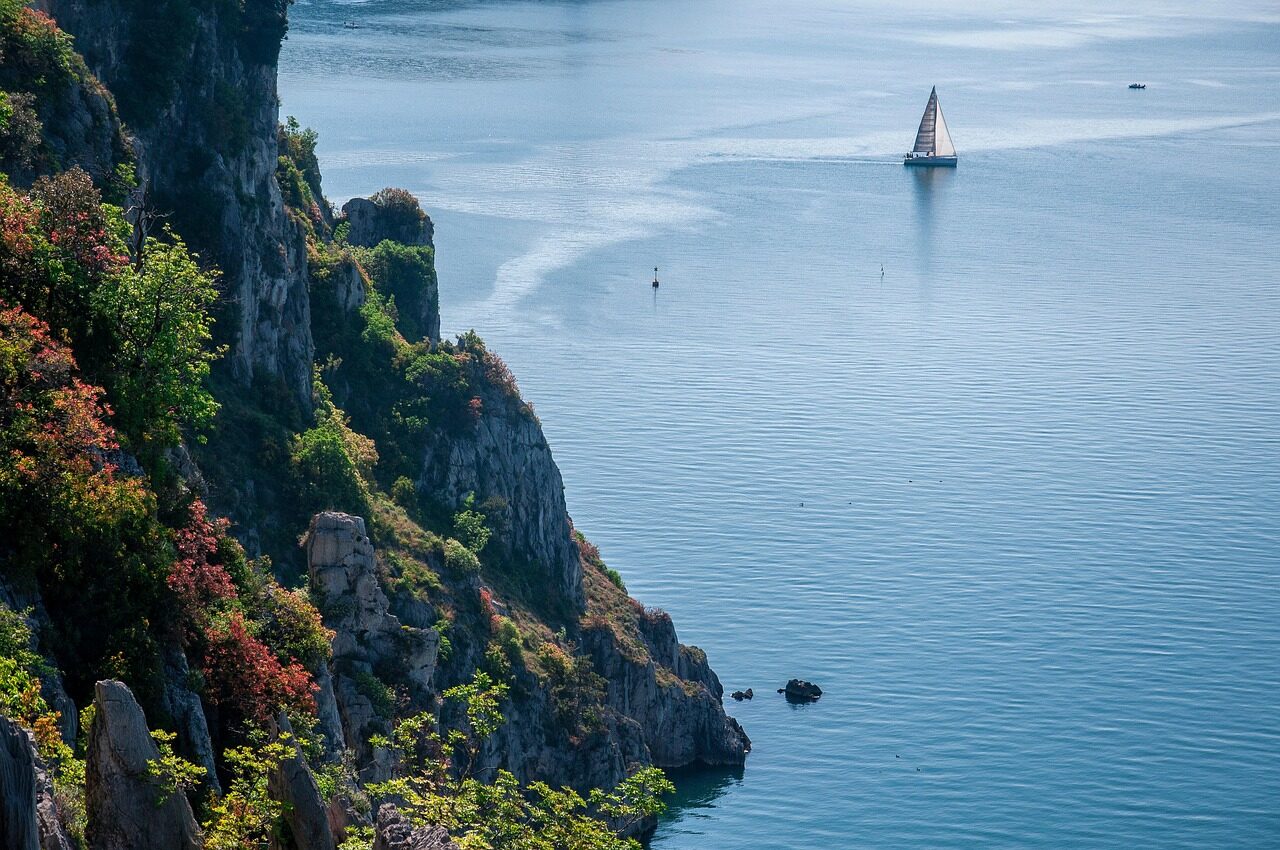
Trieste doesn’t feel like the rest of Italy, and that’s the point. For centuries it was the great seaport of the Austro-Hungarian Empire, and it still looks the part, with grand neoclassical buildings, Viennese-style cafés and a seafront that opens straight onto the Adriatic. It’s a city of coffee, writers and sea swimming, tucked in a corner between Italy and Slovenia, and almost nobody from Ireland thinks of going.
Ryanair flies direct from Dublin in about two hours 40 minutes, with the most flights from spring to autumn, so check the timetable for winter. Italy is one hour ahead of Ireland and uses the euro.
Getting around
The airport is outside the city at Ronchi dei Legionari, with a train station beside it: trains and buses reach the centre in under an hour. Trieste’s centre is compact and easy to walk, and buses run along the coast.
Piazza Unità and the seafront
Piazza Unità d’Italia is said to be the largest square in Europe that opens onto the sea, surrounded on three sides by grand palaces and on the fourth by the Adriatic. Walk out along the Molo Audace, a stone pier, at sunset, when the whole city turns gold. Behind the square, the Canal Grande is a little canal lined with cafés, built for the merchant ships of the 1700s.
Coffee like a local
Trieste is one of Italy’s great coffee cities: Illy is based here, and the old cafés, like Caffè San Marco and Caffè Tommaseo, are institutions. Beware: ordering here has its own language. A nero is an espresso, a capo is a small macchiato, and a capo in b comes in a little glass. Sit down, order like a local and watch the city go by.
James Joyce's Trieste
James Joyce lived in Trieste for more than a decade, from 1904, teaching English and writing much of Dubliners and A Portrait of the Artist as a Young Man, and starting Ulysses. A bronze statue of him stands on the Ponte Rosso over the canal, and the city has a Joyce museum and a trail through his old addresses. For an Irish visitor, it’s a lovely connection.
Castles, caves and the sea
- <strong>Miramare Castle:</strong> a white fairytale castle on the sea just outside the city, built for the Archduke Maximilian, with beautiful gardens.
- <strong>San Giusto:</strong> the hilltop castle and cathedral above the old town, next to the ruins of a Roman forum.
- <strong>The Roman theatre:</strong> right in the middle of the city, below the old town.
- <strong>Barcola:</strong> the seafront promenade where the whole city goes to sunbathe and swim in summer, straight off the rocks.
- <strong>Grotta Gigante:</strong> an enormous show cave in the hills above the city, with a cavern big enough to hold a cathedral.
Day trips to Slovenia
Slovenia is only a short drive away. The pretty Venetian-style seaside town of Piran is about an hour by bus or car, and Lipica, home of the famous white Lipizzaner horses, is closer still. Trieste’s position makes it easy to have three countries’ worth of experiences in one weekend.
Where to stay
Stay near Piazza Unità or the Borgo Teresiano, the grid of streets around the Canal Grande, to walk to everything. The old town below San Giusto is full of character but hilly. For a seaside feel, the hotels along the coast towards Barcola and Miramare are lovely in summer.
A three-night plan
Day one: Piazza Unità, the Molo Audace at sunset and dinner in the old town.
Day two: a coffee crawl through the historic cafés, the Joyce trail and San Giusto, then an aperitivo by the Canal Grande.
Day three: Miramare Castle in the morning and an afternoon swim at Barcola, or a day trip to Piran in Slovenia.
Last morning: the Grotta Gigante, or one more coffee in Caffè San Marco.
Good to know
Many shops close for a long lunch in the early afternoon, and on Sunday. A coffee at the bar is cheaper than at a table. Local food has a Central European twist: try a buffet, a traditional Triestine eatery serving boiled pork and sausages with sauerkraut and mustard.
- <strong>The bora:</strong> on windy days, the city strings ropes along some steep streets for people to hold.
- <strong>Swimming:</strong> the Barcola seafront is free; the old bathing establishments in town charge a small fee.
- <strong>Slovenia:</strong> bring ID for day trips over the border.
When to go
Late spring and early autumn are ideal, with warm sea swimming in September. Watch out for the bora, a fierce, cold wind that can blow hard in winter, and is part of local folklore. The June bank holiday and the early October bank holiday are good choices. Fancy more Italy? See Bologna and Rome.
Frequently asked questions
How long is the flight from Dublin to Trieste?
About two hours 40 minutes. Ryanair flies direct, with the most flights from spring to autumn.
What is Trieste known for?
Its grand Habsburg architecture, the huge seafront Piazza Unità, its coffee culture, and its links with James Joyce, who lived there for over ten years.
Can you swim in Trieste?
Yes. In summer, locals swim off the rocks and platforms along the Barcola seafront, a short bus ride from the centre.
Can you visit Slovenia from Trieste?
Easily. Piran, on the Slovenian coast, is about an hour away, and the border is just outside the city.
What is the bora?
A strong, cold north-easterly wind that can blow through Trieste in autumn and winter, sometimes very hard. It’s part of the city’s character, but bring a proper coat outside summer.


