
Why Porto works for a bank holiday
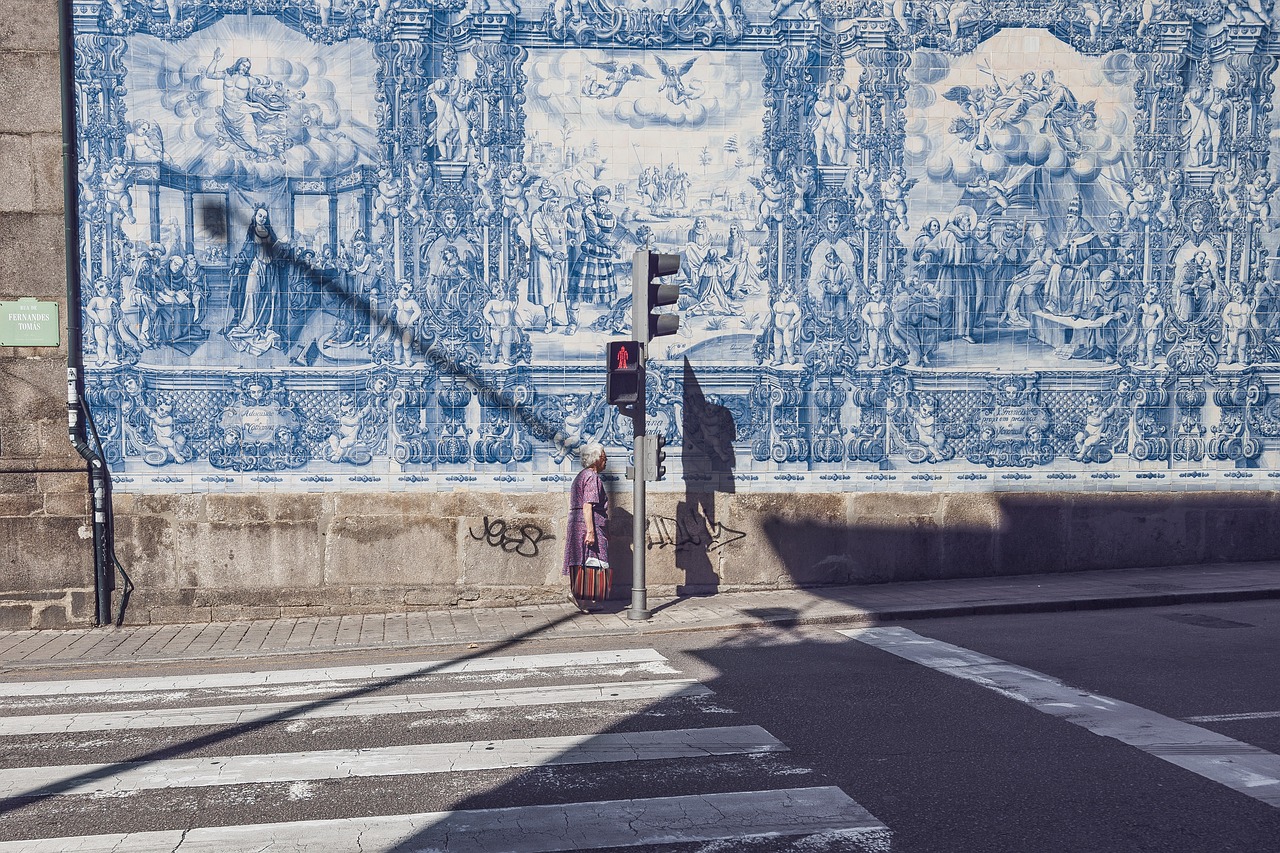
Porto is the kind of city that makes you cancel your afternoon plans. Steep lanes tumble down to the River Douro, churches are wrapped in blue and white tiles, and across the water dozens of port lodges invite you in for a tasting. It’s small enough to see in three nights, cheaper than most European cities, and has a slightly rough-around-the-edges charm that people fall for fast.
It’s also easy for us. Portugal is on the same time as Ireland, it uses the euro, and English is widely spoken. Pack a plug adapter, because Portugal uses the round two-pin European plug, and a pair of shoes with grip. Porto’s hills are no joke.
Getting there and getting around
There are direct flights from Dublin, with extra routes in some seasons, so check what’s flying when you want to go. The metro’s violet line runs from the airport to the city centre in about half an hour, and it’s far cheaper than a taxi. Buy a rechargeable Andante card at the station and top it up as you go.
In the centre, walk, and accept that every walk involves a hill. When your legs give up, the old trams, the Guindais funicular and the metro will help. You can cross to Gaia on foot over the Dom Luís I bridge, either on the upper deck alongside the metro or the lower one by the river.
The neighbourhoods
Porto’s centre is small, and most of the good stuff sits between the cathedral and the river.
- Ribeira: the riverfront quarter of colourful houses, cafés and boats, and the postcard view of the bridge. Touristy, yes, but lovely at sunset.
- Baixa and Aliados: the grand centre, with São Bento station, the Clérigos Tower and the restored Bolhão market.
- Vila Nova de Gaia: technically a separate city across the river, and home to the port lodges and the best views back at Porto.
- Cedofeita and Miguel Bombarda: the arty quarter, with galleries, independent shops and good-value restaurants.
- Foz do Douro: where the river meets the Atlantic, with a seafront promenade, beaches and seafood. A lovely tram or bus ride west.
What to see
Start at São Bento station, where the entrance hall is covered in around 20,000 painted tiles telling Portugal’s history. It’s free and it’s beautiful. From there, climb the Clérigos Tower for the view, and look into the churches along the way, many of them tiled on the outside too.
Livraria Lello, the ornate bookshop with the famous red staircase, sells timed tickets and gets very busy, so book ahead or go at opening time. Then walk down to the Ribeira and across the bridge to Gaia, where the view back at the old town glowing in the evening light is the one that sells Porto to everyone.
Port, wine and what to eat
You can’t come to Porto and skip the port. The lodges in Gaia offer tours and tastings, from big famous names to small family houses, and most take bookings online. Try a white port and tonic, the local summer drink, and a tawny that’s been aged for years, which tastes nothing like the bottle your aunt brings out at Christmas.
Porto’s signature dish is the francesinha: a sandwich of steak, ham and sausage, covered in melted cheese and a beer-and-tomato sauce, usually with chips. It’s enormous and slightly ridiculous, and you should have one. Elsewhere, look for grilled sardines, octopus, salt cod and a bifana (a garlicky pork sandwich). For seafood, Matosinhos, just north of the city, is where locals go. And yes, you’ll find excellent custard tarts here too.
Day trip to the Douro Valley
The Douro Valley, where the port grapes grow, is one of the most beautiful wine regions anywhere: steep terraced vineyards falling into a winding river. You can take the train from São Bento up the valley to Pinhão, which takes around two and a half hours and runs along the river for much of the way, or book a day tour with tastings and a boat trip. Go in September or October to see the harvest.
Where to stay
For a first visit, stay in the Baixa or Ribeira, so you can walk to everything. Ribeira is the prettiest but the noisiest and steepest; Baixa is more practical. Gaia gives you river views and the port lodges on your doorstep, and Cedofeita is quieter and good value.
A three-night plan
Day one: São Bento station, the Clérigos Tower and the Bolhão market, then down to the Ribeira for an evening by the river.
Day two: across the bridge to Gaia for a port lodge tour and lunch, then the cable car or a walk back up, and a francesinha for dinner if you dare.
Day three: the Douro Valley by train or on a tour, or a slow day out at Foz with a seafood lunch.
Last morning: Livraria Lello at opening time, a coffee and a custard tart, and the metro back to the airport.
When to go
Spring and autumn are perfect. The May bank holiday and the October bank holiday usually bring warm, bright days without summer crowds. The night of 23 June is the São João festival, Porto’s biggest party, when the whole city is out on the streets until dawn with grilled sardines, fireworks and plastic hammers for gently bopping strangers on the head. Summer is warm and busy; winter is mild but often wet.
Not sure which weekend to use? See every Irish bank holiday or let the annual leave planner find the best days to book. If you love Porto, Lisbon is three hours south by train and just as good for a long weekend.
Frequently asked questions
Is three nights enough for Porto?
Yes. Three nights covers the centre, the port lodges and a day in the Douro Valley. Two nights works if you skip the day trip.
Is Porto cheaper than Lisbon?
Generally a little, especially for food and drink, though hotels in the centre have become pricier in recent years.
Do I need a car in Porto?
No. The metro, trams and trains cover the city and the Douro Valley, and driving and parking in the old town is not worth the stress.
Is Porto very hilly?
Very. The old town climbs steeply from the river, so wear comfortable shoes with grip and use the funicular and metro when your legs give up.
What's the time difference with Ireland?
There isn’t one. Porto is on the same time as Ireland all year.


